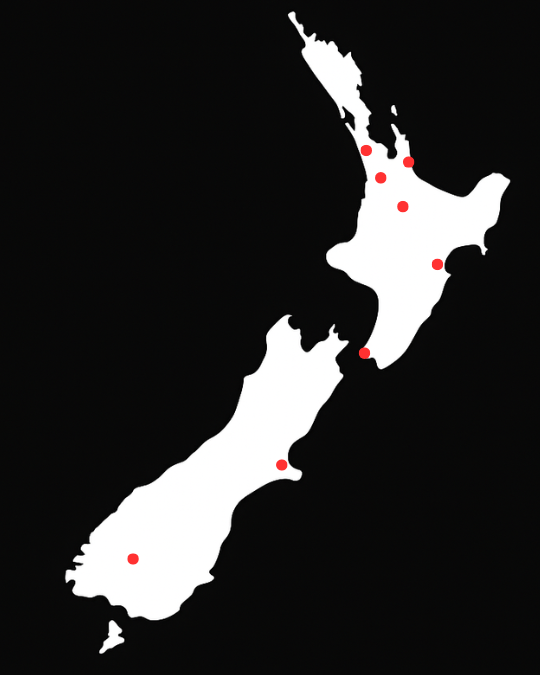
When we plan a commercial fit-out, we treat it as a business-critical project rather than just an interior upgrade. In our experience, the most successful fit-outs in New Zealand are the ones that align design, compliance, budget, and programme from the start. Whether we are helping prepare an office, retail tenancy, hospitality venue, or service-based space, we typically begin by asking a simple question: what does the business need this space to do on day one, and what will it need to do 12 to 36 months later?
A strong fit-out should support workflow, customer experience, staff wellbeing, maintenance, and future adaptability. It also needs to account for New Zealand-specific approval pathways, including whether the work affects specified systems such as fire protection, whether a change of use is involved, and whether the space may need to remain accessible to the public during construction. If you are still exploring scope, our commercial fit-out service and design package are the starting points we would usually recommend reviewing before committing to documentation.
What a commercial fit-out usually includes
Commercial fit-outs can range from light cosmetic upgrades to full internal reconfiguration. In practice, we usually see scope fall into a few overlapping categories: partitions and room layouts, ceilings, flooring, lighting, power and data, joinery, kitchens or staff amenities, washrooms, signage integration, acoustic treatment, HVAC coordination, and compliance-related fire or accessibility work.
On straightforward projects, the work may be limited to finishes and non-structural layout changes. On more complex projects, the fit-out can involve service upgrades, new wet areas, fire-rated construction, accessibility improvements, and landlord approvals. That is why we prefer to define the scope in layers: business needs, operational needs, compliance triggers, and finish selections. If the fit-out includes significant internal upgrades, we often coordinate it alongside broader interior renovations or a more tailored custom design process.
Step 1: Start with feasibility, not finishes
Before we talk about colours or materials, we first test whether the proposed tenancy or building can actually support the intended use. This stage often saves the most time and money. We review the existing condition of the premises, landlord requirements, base building services, access points, likely approval pathways, and programme constraints such as lease commencement dates or trading deadlines.
For leased premises, we also recommend checking the deed of lease closely. New Zealand business guidance notes that fit-out responsibility, maintenance obligations, incentives, make-good provisions, and flexibility for future changes should be clearly understood before committing to the space. In our experience, unclear lease wording can become a major source of cost dispute later, especially where landlords and tenants assume different responsibilities for services, approvals, reinstatement, or base-build upgrades.
At this stage, we usually prepare an early feasibility checklist covering:
- intended business use and occupancy profile
- existing services capacity, including lighting, ventilation, plumbing, and fire systems
- whether any walls, ceilings, or penetrations may affect fire protection or other specified systems
- whether amenities and access routes suit staff and customers
- whether asbestos or other hazardous materials could be present in older buildings
- how the project will be staged if the site is occupied or publicly accessible
- whether the budget matches the operational brief
Step 2: Confirm consent, change-of-use, and compliance pathways early
This is one of the most important fit-out planning steps in New Zealand. MBIE guidance states that internal alterations to an existing non-residential building are often exempt from building consent if they do not affect the primary structure or specified systems. However, that exemption does not extend to work that modifies systems such as sprinklers, fire alarms, or fire separations, and the first fit-out of a new commercial shell is generally treated as new building work rather than an exempt interior alteration.
We also look closely at change of use. MBIE explains that a building consent is not required solely because of a change of use, but consent will be needed if the associated building work requires it, and the council still needs to be satisfied that the building in its new use will meet the Building Act requirements to the extent required. In practical terms, that means a tenancy changing from one commercial activity to another may still trigger meaningful design and compliance work, particularly where fire safety, occupant loads, sanitary provision, or access expectations change.
Where the building is intended for public use and construction is still underway, MBIE notes that public access before sign-off may require a certificate for public use. We flag this early on projects where partial trading, staged occupation, or landlord pressure might otherwise push the programme ahead of approvals.
Our rule of thumb is simple: if the fit-out touches fire systems, fire separations, accessibility routes, sanitary spaces, ventilation, or new wet areas, we do not treat compliance as an afterthought. We build it into the design brief from day one.
Step 3: Coordinate design around operations, not just appearance
Good commercial design is operational design. We usually begin space planning around the daily movement of people, products, services, and equipment. For an office, that may mean balancing meeting rooms, collaboration zones, focused work areas, acoustic privacy, and staff amenities. For retail, it often means sightlines, customer circulation, storage, point-of-sale positions, and merchandising flexibility. For hospitality or wellness spaces, back-of-house flow is often just as important as front-of-house presentation.
In our experience, many fit-out problems come from locking in finishes before resolving planning logic. A beautiful reception desk does not solve a poor circulation path. An attractive café layout still fails if service points bottleneck during peak periods. That is why we push hard on adjacencies, storage, servicing, and maintenance access before finalising detailed selections.
Where specialist input is required, we coordinate with the relevant designers, engineers, service contractors, and consent advisers early. This becomes especially important when lighting layouts intersect with sprinklers, mechanical grilles, smoke detectors, or acoustic requirements. Small clashes at documentation stage often become expensive site changes later.
Step 4: Build the budget around scope certainty
A commercial fit-out budget should cover far more than visible construction. We generally split budgets into design and documentation, approvals, demolition and strip-out, construction works, building services, finishes, joinery, specialist trades, signage interfaces, contingency, and handover requirements. If the site is tenanted or operating, staging and temporary protection may also add cost.
We also encourage clients to separate known scope from risk allowance. Unknowns are common in existing commercial premises: concealed services, base-building limitations, legacy compliance issues, and hazardous material discovery can all change the cost profile. WorkSafe notes that many New Zealand buildings contain asbestos, and refurbishment work is a recognised scenario where asbestos surveys and management become relevant. In older properties, we treat this as a genuine planning issue rather than a remote possibility.
From a delivery perspective, we have found that frozen scope and documented selections are some of the best cost-control tools available. Industry discussions among contractors regularly point to change orders as a major cause of delay, cash-flow friction, and relationship strain. We see the same dynamic on fit-outs: the more decisions move into construction, the more likely the project is to lose programme certainty and budget clarity.
| Planning area | What we check early | Why it matters |
|---|---|---|
| Lease and landlord requirements | Fit-out obligations, approvals, incentives, make-good, services responsibilities | Reduces legal and cost disputes later |
| Consent and compliance | Specified systems, change of use, public access, sanitary and accessibility needs | Avoids redesign and approval delays |
| Existing building condition | Base-build services, hidden defects, asbestos risk, limitations in older premises | Improves budget realism |
| Operational planning | Workflow, storage, staff movement, customer journey, maintenance access | Creates a space that performs in day-to-day use |
| Programme strategy | Lead times, staged works, landlord sign-offs, inspections, handover sequencing | Helps protect opening dates |
| Change management | Approval process for variations, documentation standards, pricing turnaround | Controls cost escalation and confusion |
Step 5: Plan the programme around procurement and approvals
One of the biggest mistakes we see is assuming the build starts when demolition starts. In reality, the programme starts much earlier, with design decisions, consultant input, landlord approvals, council pathways where needed, procurement lead times, and trade sequencing.
We typically programme fit-outs in the following order:
- briefing and feasibility
- concept layout and budget alignment
- design development and consultant coordination
- consent and landlord approval pathway confirmation
- detailed documentation and procurement
- site establishment, strip-out, and enabling works
- main fit-out works and services coordination
- testing, defect closeout, and handover
Where imported materials, custom joinery, specialist lighting, or mechanical equipment are involved, procurement should be treated as a design-stage issue. We prefer to lock long-lead items early, particularly when the business has a non-negotiable trading date. In our experience, many missed completion dates are caused less by site labour than by delayed decisions, late approvals, or products selected after documentation has already moved on.
Step 6: Manage health and safety as a shared duty
Commercial fit-outs often involve multiple PCBUs at the same workplace: client, landlord, head contractor, subcontractors, designers, and sometimes an operating business still using part of the site. WorkSafe is clear that PCBUs with overlapping duties must consult, cooperate, and coordinate activities so far as is reasonably practicable, and they cannot contract out of those duties.
We take that seriously on live environments, staged handovers, and shared access buildings. Before work starts, we usually clarify who controls the site, which areas remain occupied, how deliveries and waste removal will be managed, what isolations are needed, and how public or staff access will be protected. Where asbestos removal is involved, WorkSafe requires notification for licensed asbestos removal work at least five days before it begins, which can affect programme planning.
This is also where practical site planning matters. Community discussions among practitioners often highlight the same recurring issues we see in real projects: sprinkler changes discovered late, unclear after-hours access, noisy works colliding with business operations, and confusion over who approves variations. None of these are unusual, but they do become expensive when they are not assigned and documented early.
Step 7: Control variations before they control the project
Every fit-out carries some level of change risk, but unmanaged variation is one of the fastest ways to lose time and budget control. We recommend agreeing on a variation process before construction begins: who can instruct changes, what documentation is required, how pricing will be assessed, and whether programme impacts must be stated at the same time.
Our team generally treats changes in three categories:
- client-driven changes such as layout or finish upgrades
- site-driven changes such as hidden services, damaged substrates, or hazardous material discovery
- compliance-driven changes such as fire, access, or service requirements uncovered during review
That structure keeps conversations clearer and helps everyone understand which decisions are discretionary and which are not. It also helps avoid the common industry problem where additional work is discussed informally on site and only priced after it has already affected the programme.
Step 8: Handover should be planned long before completion
We do not treat handover as the last week of the project. A smooth commercial fit-out handover depends on planning from the outset: practical completion criteria, defects process, operations manuals where relevant, producer statements, records of service alterations, and any council sign-off or public-use requirements that affect occupation.
For business owners, this stage should also include operational readiness. We usually ask clients to confirm furniture, IT, staff move-in sequencing, cleaning, signage installation, and any training or maintenance handover needed for new systems. The physical build can be complete while the business is still not ready to operate. Good fit-out planning closes that gap.
Common commercial fit-out risks we watch closely
Across New Zealand fit-out projects, a few risks come up repeatedly:
- assuming all internal works are exempt from consent
- underestimating the impact of fire system modifications
- signing a lease before clarifying fit-out and make-good obligations
- discovering asbestos or legacy services after demolition starts
- making too many design decisions during construction
- trying to trade from a space before approvals or safe access arrangements are in place
- failing to assign variation authority and communication lines
In our experience, these risks are manageable when the project is documented properly and led by a team that keeps design, construction, and coordination aligned. That is a big reason design-build delivery can work well on fit-outs: the fewer handoff gaps there are between concept, pricing, and site delivery, the easier it is to keep outcomes predictable.
Practical takeaways from our team
If we were advising a client at the start of a commercial fit-out today, we would usually recommend the following:
- Confirm the business brief before locking in the floor plan.
- Review lease terms and landlord approvals before spending heavily on design.
- Test consent, specified-system, and change-of-use issues early.
- Assume older premises may hold surprises and budget contingency accordingly.
- Freeze key selections before site works begin where possible.
- Define variation authority and approval pathways in writing.
- Programme handover, occupation, and operational readiness as part of the build, not after it.
For businesses comparing options, we usually suggest starting with the broader project intent first, then narrowing into scope. If the fit-out sits within a larger upgrade strategy, our renovations approach can help frame the wider picture, while our commercial and fit-out service is more focused on tenancy performance, customer-facing spaces, and workplace delivery.
References
- Building Performance (MBIE) — Interior alterations to existing non-residential building
- Building Performance (MBIE) — Change of use and alterations
- Building Performance (MBIE) — Public access during a build
- Auckland Council — What is a consent and do you need one?
- WorkSafe New Zealand — PCBUs working together: advice when contracting
- WorkSafe New Zealand — Managing asbestos in your building or workplace for PCBUs
- WorkSafe New Zealand — Duty to notify licensed asbestos removal
- Fire and Emergency New Zealand — Regulations for building owners
- business.govt.nz — Leasing or buying premises
- Association of the Wall and Ceiling Industry — Change Orders Under Pressure
Author / Editorial Team
This article is produced by our internal Cspace Renovation editorial and project team. We write from the perspective of practitioners involved in renovation planning, design-build coordination, interior delivery, and fit-out execution. Our team draws on hands-on experience coordinating scopes, trades, budgets, sequencing, and finish decisions across residential and commercial projects in New Zealand. For technical topics, we review relevant public guidance, regulatory sources, and industry discussions to make sure our advice is practical, cautious, and grounded in real project delivery rather than generic marketing content.