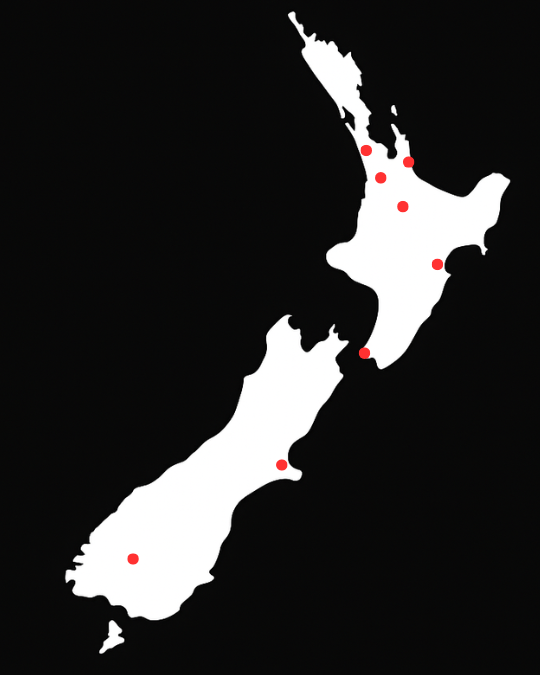
In our experience, weatherproofing a home exterior in New Zealand is never just about “keeping the rain out.” We have to think about wind-driven rain, strong UV exposure, coastal salt, drainage around the site, and the way different exterior materials age over time. A house can look tidy from the street and still have weak points around joinery, flashings, deck connections, or cladding junctions.
When we help homeowners plan exterior renovations, we usually start with one principle: weatherproofing works best as a system, not as a collection of isolated patches. Paint, sealants, cladding, cavities, roof drainage, waterproof decks, and ventilation all need to work together. If one detail fails, water often shows up somewhere else first, which is why proper diagnosis matters.
Why New Zealand homes need a different weatherproofing approach
New Zealand’s exterior building envelope faces a combination of conditions that can be unusually demanding. The New Zealand Building Code’s Clause E2 and Acceptable Solution E2/AS1 are built around the need to manage external moisture and provide a compliance pathway for weathertightness in many common low-rise timber-framed buildings. That matters because local detailing is based on our climate and construction context, not overseas assumptions.
We also plan for regional exposure differences. Some homes deal with persistent rain and dampness, others with severe wind exposure, while coastal properties add salt spray and faster coating deterioration. NIWA notes that coastal areas are vulnerable to storm inundation and sea-spray effects during major events, and recent national flood-risk work also points to the growing importance of rainfall intensity in property risk planning. In practical terms, that means exterior durability and drainage details deserve more attention than many owners expect.
From our side of the industry, we typically see problems develop where design intent, workmanship, and maintenance do not stay aligned over time. A sound wall system still needs intact coatings, unblocked drainage paths, maintained sealant joints, and correctly integrated penetrations.
The main exterior risks we design and renovate around
1. Wind-driven rain
In exposed New Zealand locations, rain does not fall neatly downward. It is often pushed sideways and upward into junctions, edges, and penetrations. That is why head flashings, sill details, cladding laps, cavity drainage, and roof-to-wall intersections are so important. Building Performance guidance on E2 makes clear that weathertightness is about the whole envelope, not one product in isolation.
2. UV and coating breakdown
Strong UV accelerates paint and sealant ageing. We often find weathered south-facing and west-facing elevations behaving very differently from more sheltered sides, especially where previous repainting was delayed or incompatible products were used.
3. Coastal salt exposure
For homes near the sea, salt can shorten the service life of coatings, fixings, and some metal components. In our renovation planning, this usually means tighter material selection, more careful wash-down and maintenance schedules, and more conservative assumptions about repaint intervals.
4. Surface water and poor drainage
Not every moisture problem starts in the wall. Overflowing gutters, undersized downpipes, poor site falls, blocked drains, paving set too high against cladding, and decks that trap water near the building all create avoidable risk. BRANZ guidance on drained and vented cavities also reinforces that water management depends on both drainage and drying, not on the idea that the outer surface will stay perfectly waterproof forever.
5. Condensation and indoor moisture pressure
Exterior weatherproofing and interior moisture control are linked. EECA recommends reducing moisture at the source and improving airflow, especially in kitchens, bathrooms, and tighter homes. When we deliver broader renovations, we look at exterior moisture control alongside ventilation, because trapped moisture can worsen durability issues and make diagnosis confusing.
Summary table: our high-priority exterior weatherproofing checks
| Area | What we inspect | Why it matters | Typical action |
|---|---|---|---|
| Roof drainage | Gutters, downpipes, outlets, overflows, debris | Overflow can direct large volumes of water into walls and foundations | Clear, resize, repair falls, replace damaged sections |
| Cladding | Cracks, open joints, paint failure, swelling, staining | Surface failure can allow repeated wetting and hidden damage | Repair substrate, repaint, re-detail, or reclad where needed |
| Windows and doors | Head flashings, sealant failure, sill details, gaps, staining | Joinery openings are common leak points under wind-driven rain | Re-seal selectively, repair flashings, or remove and reinstall correctly |
| Decks and balconies | Membranes, falls, drainage, junctions to walls | These areas often fail at edges and penetrations | Repair membrane system, improve drainage, rebuild junctions |
| Ground clearances | Soil, paving, mulch, planting against cladding | Blocked drainage and low clearance increase splashback and moisture risk | Lower ground levels, trim planting, restore clearances |
| Penetrations | Lights, pipes, vents, meter boxes, fixings | Small penetrations often create disproportionate leak risk | Reflash, reseal, and rationalise penetrations |
Cladding, cavities, and coating systems
One of the biggest misconceptions we come across is the idea that cladding alone keeps a house dry. In reality, the cladding is only one layer in a water-management system. BRANZ explains that drained and vented cavities provide a path for drainage and drying when water gets past the outer face in extreme conditions. That is a critical concept in New Zealand construction.
When we assess existing exteriors, we pay close attention to whether the wall assembly relies on direct-fix details or cavity construction, how transitions were handled during previous alterations, and whether maintenance has kept pace with material requirements. We also look for clues such as bubbling paint, soft trims, swollen sheet edges, recurring cracking around openings, and staining below penetrations.
For many homes, repainting is necessary but not sufficient. If there is substrate movement, failed sealant, poor flashing integration, or moisture trapped behind the surface, a new coating will only delay the problem. This is one reason we often recommend a scoped investigation before committing to a cosmetic refresh. If the exterior works are part of a larger redesign, our design package helps coordinate detailing before construction starts.
Community discussions on Reddit and DIY forums frequently reflect the same pattern we see on site: owners notice a crack or gap and hope sealant alone will solve it, but experienced tradespeople often point back to flashings, drainage paths, or failed junction design as the real issue. We treat those discussions as practical signals, not formal authority, but they do align with common field experience.
Roof edges, gutters, and downpipes
Gutters and downpipes are among the simplest weatherproofing elements to maintain, yet they are involved in a large share of preventable moisture problems. We often see leaks blamed on windows or cladding when the actual trigger is overflowing roof drainage above.
Our standard advice is to inspect roof drainage before and after heavy weather seasons, especially where trees, pine needles, or roofing granules collect. We also check whether water is discharging too close to the house, whether overflow paths are safe, and whether any recent renovation has changed catchment areas without upgrading drainage capacity.
Consumer NZ’s maintenance guidance highlights the importance of identifying leaks, clearing gutters, and maintaining sealants and wall components. In practice, this is one of the highest-value maintenance tasks a homeowner can stay on top of.
Windows, doors, flashings, and service penetrations
If we had to name the most common exterior weak points, openings would be near the top of the list. Windows and doors interrupt the wall system, so they rely on careful sequencing of underlays, tapes, flashings, cavities, and clear drainage paths. Building Performance’s E2 guidance and industry practice both reinforce that openings must be detailed as part of the wall system, not simply sealed around the edges.
In our renovation work, warning signs include staining beneath corners, cracked sealant that keeps reopening, swollen interior reveals, musty smells after storms, and leaks that only appear under a certain wind direction. These symptoms often point to failed flashing integration, not just “old sealant.”
Practitioner discussions in New Zealand DIY communities regularly mention head flashings, sill trays, apron flashings, and the limits of patch sealing around joinery. We think those conversations are useful because they reflect a real operational lesson: when water is getting behind the outer line of defence, surface sealing alone may hide the problem without fixing the path of entry.
Decks, balconies, ground clearances, and site drainage
Decks and balconies deserve special care because they combine movement, waterproofing, and junction complexity. BRANZ guidance on waterproof decks and balconies emphasises good design, specification, and construction if these assemblies are to remain serviceable over time. In our experience, failures commonly occur where a deck meets cladding, where falls are inadequate, where drainage outlets are poorly maintained, or where later alterations puncture the membrane.
Ground clearances matter too. Paving, garden beds, mulch, and edging can creep upward over the years until cladding is too close to wet ground. That increases splashback, blocks cavity drainage, and reduces drying. We also watch for landscaping that traps moisture against the building or sends runoff toward walls rather than away from them.
For clients planning wider upgrades, we sometimes connect exterior weatherproofing decisions with adjacent spaces such as interior renovations where hidden water damage, poor insulation, or ventilation shortcomings are also being addressed.
Maintenance planning by exposure level
We usually encourage homeowners to think in exposure bands rather than fixed universal timelines.
Sheltered urban sites
These homes may have slower coating wear, but they are not exempt from leaks. Deferred maintenance around joinery, roof drainage, and penetrations still causes problems.
High-wind or high-rainfall sites
These properties need more frequent inspection of flashings, cladding junctions, and drainage paths because wind-driven rain exposes detailing weaknesses much faster.
Coastal properties
For homes near salt spray, we recommend closer monitoring of coatings, metal corrosion, fixings, and washing schedules. Coastal storm guidance from NIWA underscores why low-lying and exposed coastal areas need a more conservative approach to resilience.
As a rule, we advise annual visual checks, extra inspections after major storms, and prompt attention to small failures before they become hidden structural repairs.
When a repair is enough and when a renovation is the better option
Not every defect requires a full reclad or major rebuild. We often recommend targeted repair where the issue is localised, the wall assembly is otherwise sound, and moisture has not spread. But a broader renovation becomes the smarter investment when we find repeated failures across multiple elevations, design details known to be vulnerable, extensive coating breakdown, decayed substrate, or major junction conflicts caused by previous alterations.
This is especially relevant when clients are already considering layout, façade, or performance upgrades through a coordinated custom design process. In those cases, bundling weatherproofing improvements with planned renovation work often delivers better sequencing, less rework, and a more durable result.
Practical takeaways
- Treat weatherproofing as a full exterior system, not a paint-only or sealant-only task.
- Prioritise roof drainage, flashings, cladding joints, openings, deck junctions, and ground clearances.
- Use New Zealand-specific guidance and compliant detailing rather than generic overseas advice.
- Investigate recurring cracks, staining, bubbling paint, soft trims, and storm-related leaks early.
- Be cautious with “quick fixes” around windows and cladding until the actual water path is understood.
- Match maintenance frequency to exposure level, especially in coastal, high-rainfall, and high-wind locations.
- When multiple exterior elements are ageing together, a staged renovation plan is usually more cost-effective than repeated patch repairs.
References
- Building Performance New Zealand: E2/AS1 and E2 external moisture guidance
- Building Performance New Zealand: About E2/AS1
- BRANZ: Drained and vented cavities
- BRANZ: Good Practice Guide for waterproof decks and balconies
- EECA: Reduce dampness and improve airflow
- Consumer NZ: Exterior walls general maintenance
- NIWA / Earth Sciences New Zealand: Nationwide study reveals escalating flood risk
- NIWA / Earth Sciences New Zealand: Coastal storm inundation
Author / Editorial Team
This article was produced by our internal Cspace Renovation editorial and project team. We write from the perspective of professionals involved in renovation planning, design coordination, material selection, and real-world delivery for residential and commercial projects in New Zealand. Our process combines field experience, current building guidance, and practical renovation decision-making so homeowners can better understand what leads to durable exterior performance over time.
Where appropriate, we also review practitioner discussions and homeowner pain points to reflect the issues people actually face on site, while relying on authoritative New Zealand guidance for factual and compliance-related topics.